HotTea
An open-source, privacy-first AI browser and research workspace built with Flutter. Unifies web browsing, AI assistance, evidence-backed research, local LLM inference, and encrypted personal .tea vaults into one cross-platform application.
I build and study intelligent systems at the intersection of machine learning, deep learning, software engineering, and AI research.
I am a BCA student at Amity University, Noida, focused on Artificial Intelligence, Machine Learning, Deep Learning, and intelligent software systems.
My approach combines theoretical understanding with practical engineering. Rather than treating machine learning models as black boxes, I focus on understanding the mechanisms behind them—from optimization and representation learning to attention mechanisms, Transformers, retrieval systems, and modern generative AI architectures.
I build software and AI systems to turn these concepts into practical implementations. My work spans machine learning experimentation, NLP, automation, backend engineering, API-driven systems, and AI-powered applications.
My current technical direction is centered around modern AI systems, including Retrieval-Augmented Generation, model fine-tuning, AI agents, and the engineering challenges involved in building reliable intelligent applications.
Long term, I want to work at the intersection of AI research and systems engineering, where understanding fundamental machine learning concepts can lead to better and more capable intelligent systems.

Studying neural architectures beyond conventional machine learning, with emphasis on representation learning, optimization, sequence modeling, and architectures capable of learning complex patterns from large datasets.
Understanding self-attention, multi-head attention, positional representations, encoder-decoder architectures, and the architectural ideas that enabled modern language models.
Exploring how retrieval systems, embeddings, vector search, and language models can be combined to ground generated responses in external knowledge.
Studying techniques for adapting pretrained models to specialized tasks and datasets while balancing performance, compute requirements, and generalization.
Exploring systems where language models can reason over tasks, use tools, interact with external systems, maintain context, and execute multi-step workflows.
Interested in the engineering layer behind intelligent applications: model serving, APIs, retrieval pipelines, automation, infrastructure, evaluation, and system reliability.
Curated selection of production applications, AI systems, and engineering architectures.
An open-source, privacy-first AI browser and research workspace built with Flutter. Unifies web browsing, AI assistance, evidence-backed research, local LLM inference, and encrypted personal .tea vaults into one cross-platform application.
An Instagram automation platform designed to help businesses automate conversations and customer engagement through Meta’s Graph APIs, featuring comment-to-DM triggers, keyword rules, and containerized microservices.
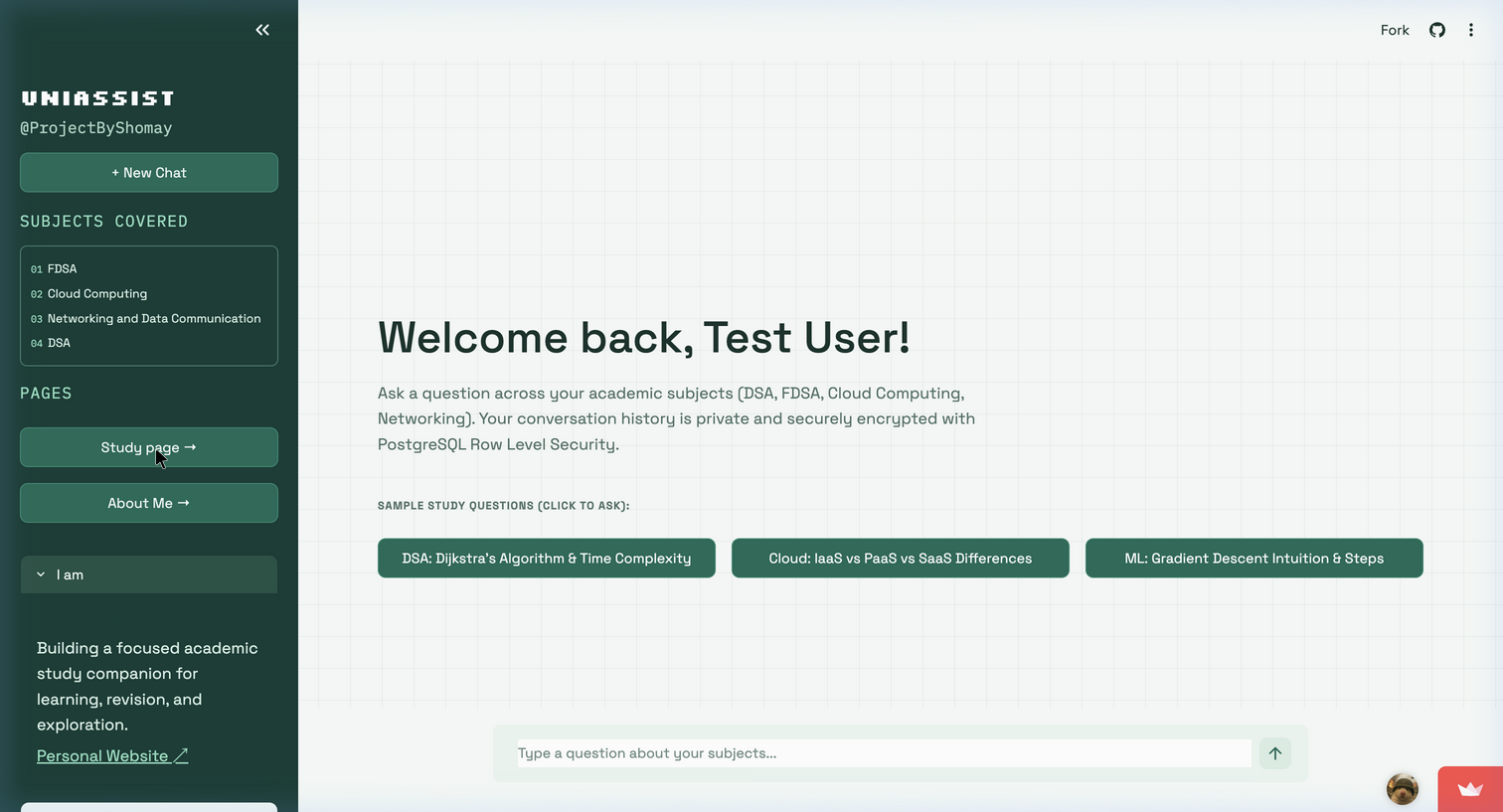
A Retrieval-Augmented Generation (RAG) chatbot that helps students understand academic materials through dense document indexing, semantic vector search, and high-speed Groq-powered LLM generation.
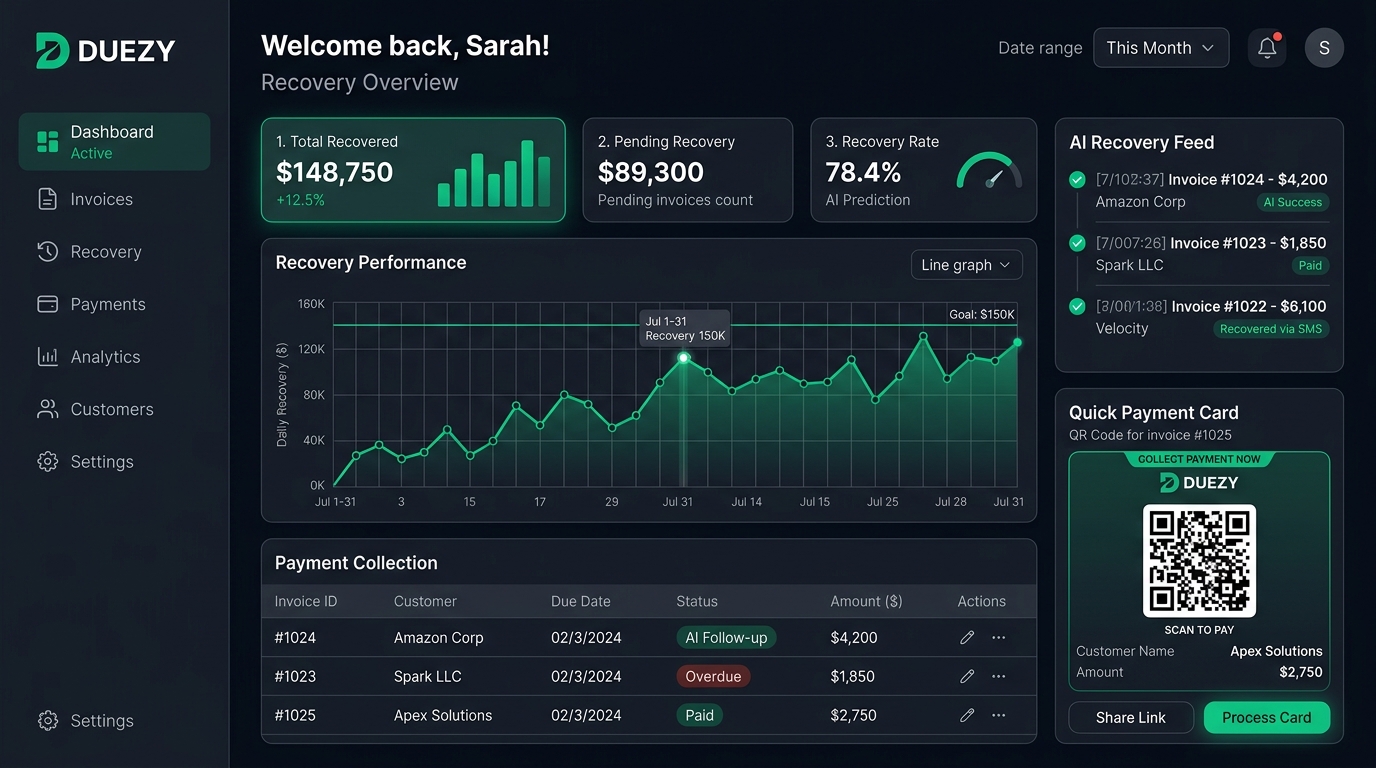
An AI-driven payment recovery and invoice collection platform featuring an authoritative FastAPI double-entry ledger backend, conversational installment negotiation agent, Razorpay webhook verification, and multi-platform Flutter app.
Understanding algorithms, optimization, generalization, representation learning, and model evaluation.
Exploring neural architectures and learning mechanisms for increasingly complex data and tasks.
Studying how computational systems represent, process, retrieve, and generate human language.
Interested in architectures, training methods, inference behavior, adaptation techniques, and system-level applications.
Exploring retrieval, embeddings, vector databases, contextual grounding, and knowledge-intensive generation.
Researching systems capable of reasoning, planning, tool use, memory, and multi-step execution.
Investigating the infrastructure and engineering required to turn machine learning models into reliable, useful software systems.
I prefer understanding the mechanism behind a technology before relying on high-level abstractions.
Projects are a way to test whether theoretical concepts actually translate into working systems.
A strong model is only one component of an intelligent product. Data, retrieval, infrastructure, evaluation, APIs, and user interaction all matter.
I learn through implementation, experimentation, failure analysis, and iteration rather than relying solely on theoretical study.
Organized into core computational and machine learning competencies used to build and study intelligent systems.
I am interested in AI/ML research, intelligent systems, engineering projects, and technically challenging problems.